
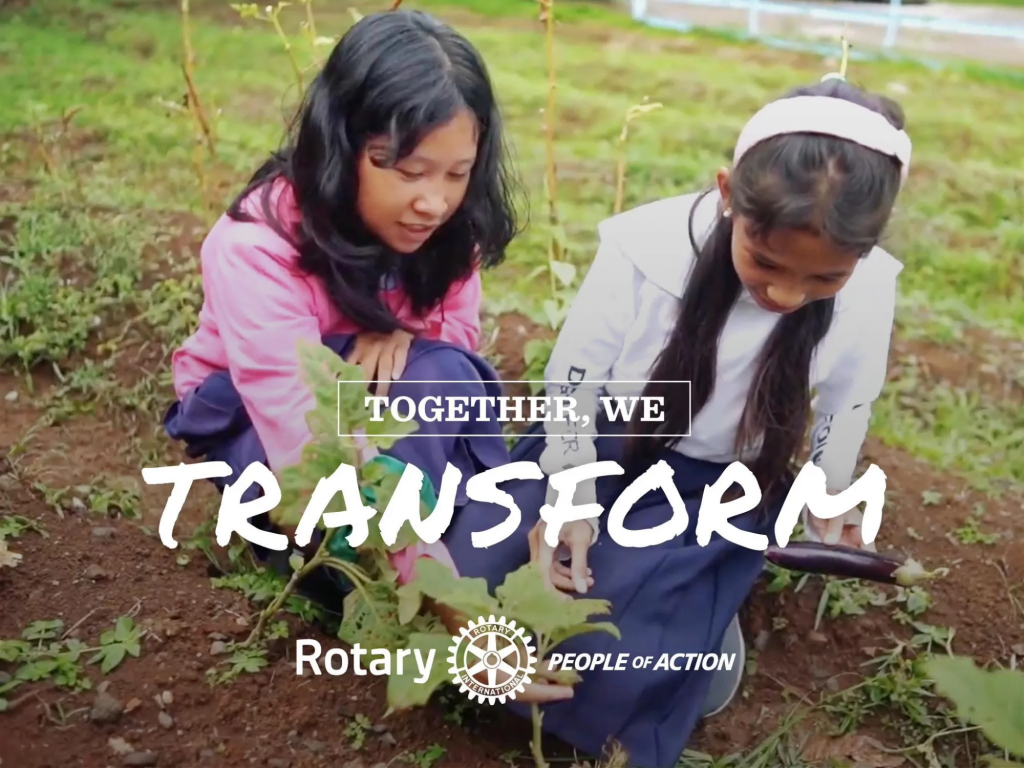
“To plant a garden is to believe in tomorrow.” — Audrey Hepburn
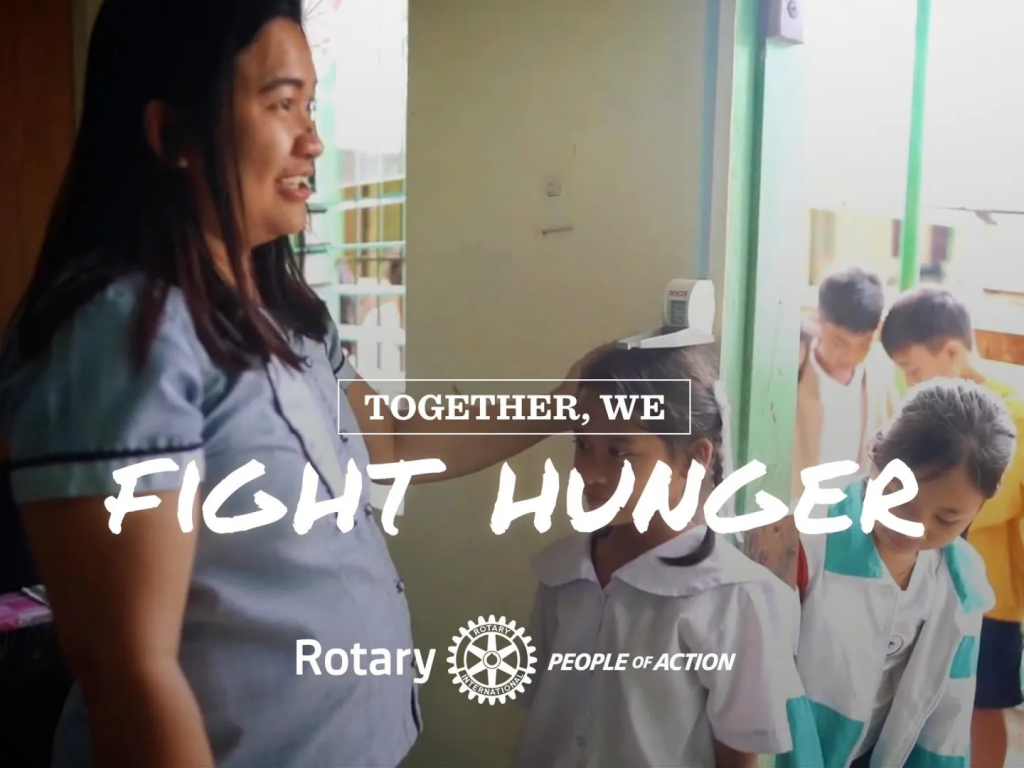
There are times when a simple idea plants a seed in our hearts and before we even notice, it begins to grow into something hopeful and life-changing. That’s how our Smart Organic Farming project in Malao-a Calantas Elementary School came to life. The school shared that several pupils were struggling with malnutrition, and they dreamed of a sustainable vegetable garden that could help nourish these young learners every day. I remember sitting with the teachers and administrators, listening not only to facts and figures but to the care and concern they had for their students. It was clear. This wasn’t just a project. It was an act of love.
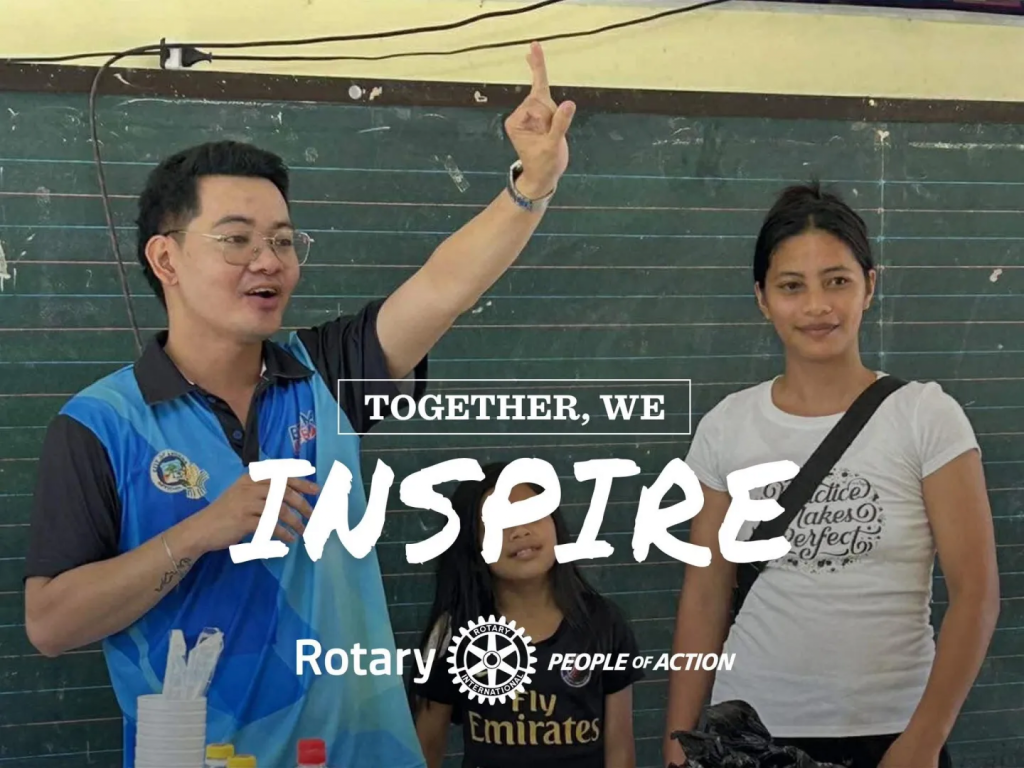
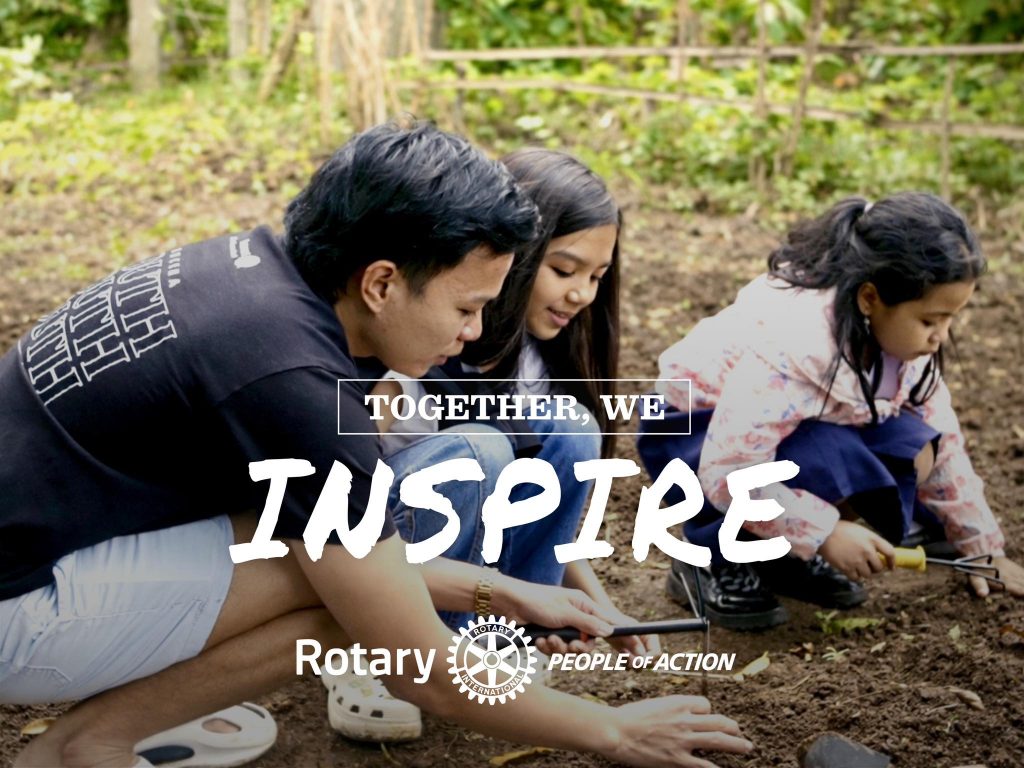
We then stepped outside and explored the school grounds with purpose and imagination. We knelt down to feel the soil, checked how the sunlight embraced the space each morning, traced the path of water sources, and connected with parents and volunteers who were eager to take part. Every conversation, every observation helped us understand that this garden wasn’t only possible, it was needed.
To make sure we did it right, I gathered knowledge from different sources: local farmers, agriculturists, government guides, and credible online research on organic gardening. We didn’t want just any solution, but we also wanted the best one rooted in sustainability and community capacity. As I look back, the whole experience was a beautiful reflection of the Knowledge Management process. We acquired valuable insights from the community, refined them into practical gardening techniques, stored and organized what we learned into plans, shared the knowledge with teachers and parents, and finally applied it by turning a bare plot into a living, growing source of nourishment.
Of course, just like gardens, learning also needs time, patience, and care. If given another chance, I would start with a deeper nutrition baseline to better understand each child’s needs. I would also explore soil testing earlier, seek more expert guidance, and set up a smoother feedback system for volunteers. Every step would help the garden bloom even stronger in the future.
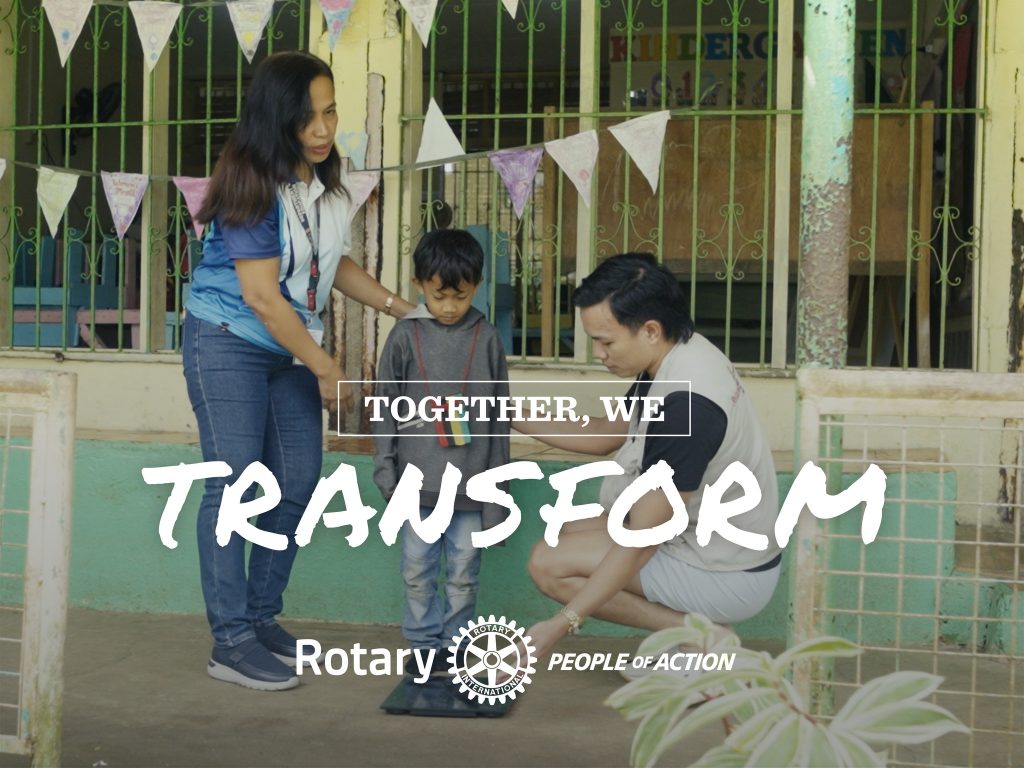
This project taught me that when we come together to nurture the land, we are also nurturing dreams, dignity, and possibility. It reminded me that sustainable change often begins quietly with a seed, a shovel, a shared hope for better days. More than growing vegetables, we are growing futures. And as this garden continues to flourish, so does our faith that a healthier tomorrow can be planted today.
More Recommended Reads
 Smart Organic Farming Strengthens Yearly Community Garden Initiative in Tayabas
 Greener Cities, Stronger Communities: Rotaract Club of Lucena South Launched Project S.P.R.O.U.T. in Brgy. Bocohan
 CommUnidad: Communities Sustaining Communities : “Sustainable Communities for Everyone”
 Bente Singko Mo Para Sa Bwas Damlag Ko