
Caring for the environment does not always begin with grand movements; it often starts with simple, intentional actions done with purpose and heart. This was the message behind Project ECHO (Environmental Change through Handcrafted Output), a meaningful initiative led by PP Marvin Chua that beautifully connected environmental responsibility with compassion for community health.
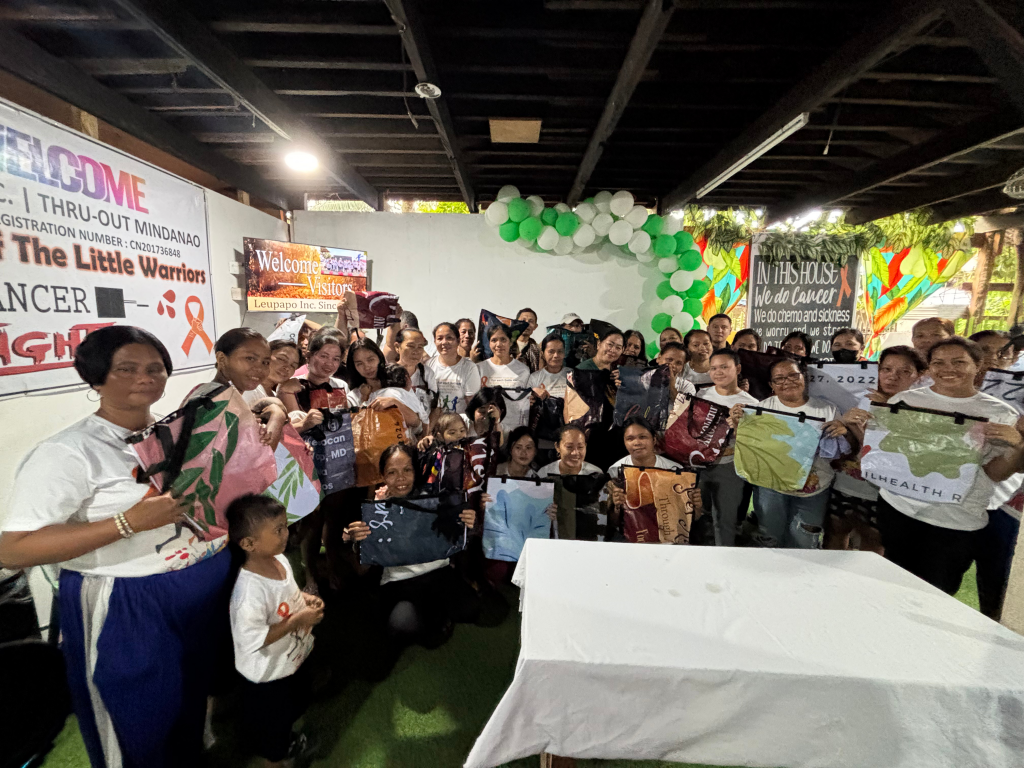
Project ECHO was designed to remind communities that protecting the planet is inseparable from protecting people—especially future generations. Through an engaging, hands-on activity, parents were taught how to upcycle old tarpaulins into durable eco bags. What was once considered waste was transformed into something functional, practical, and environmentally friendly.

The activity allowed participants to see sustainability not as a complex concept but as something achievable through everyday choices. As parents carefully cut, stitched, and assembled their eco bags, discussions unfolded about the importance of recycling, reusing materials, and minimizing environmental harm. These small actions, they learned, create ripple effects that contribute to cleaner surroundings, healthier communities, and long-term environmental protection.
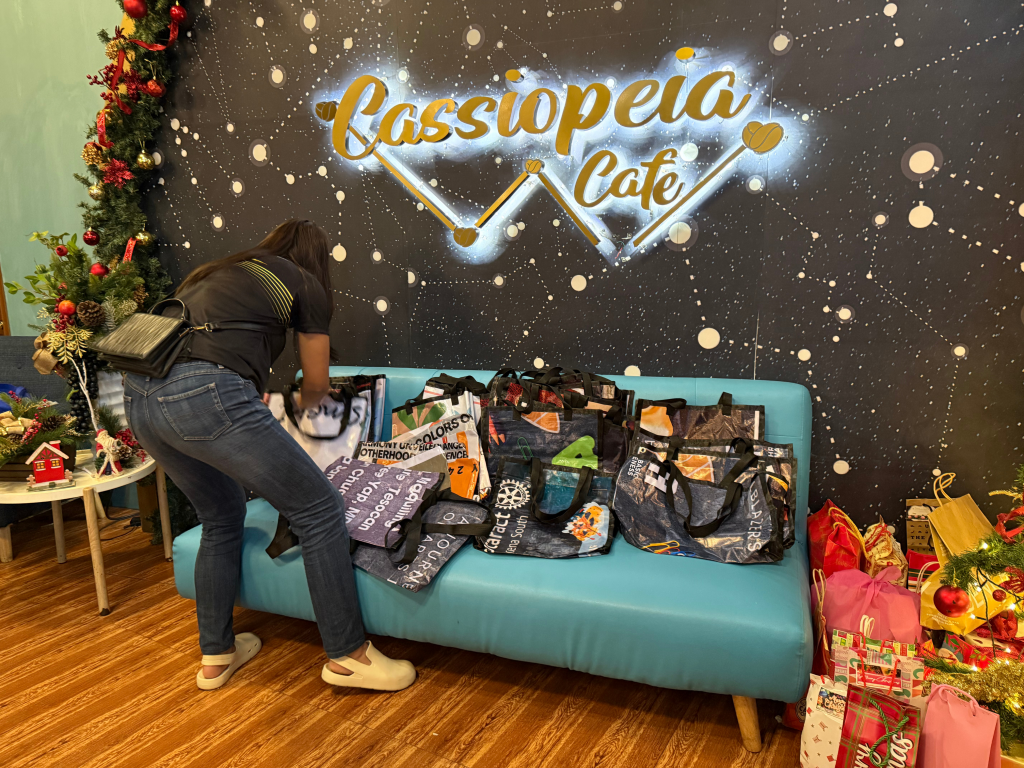
Beyond environmental awareness, Project ECHO also carried a strong message of empathy. Many of the parent-beneficiaries regularly accompany family members to health facilities for dialysis and medical treatments. Recognizing this, the project ensured that its output would serve a real and immediate purpose. A total of 51 eco bags were distributed—sturdy enough to carry essentials during frequent hospital visits and symbolic of care that extends beyond the activity itself.
More than a skills workshop, Project ECHO became a space for learning, connection, and shared responsibility. It empowered parents not only with a new crafting skill but also with the understanding that mindful living contributes to both environmental preservation and public health.
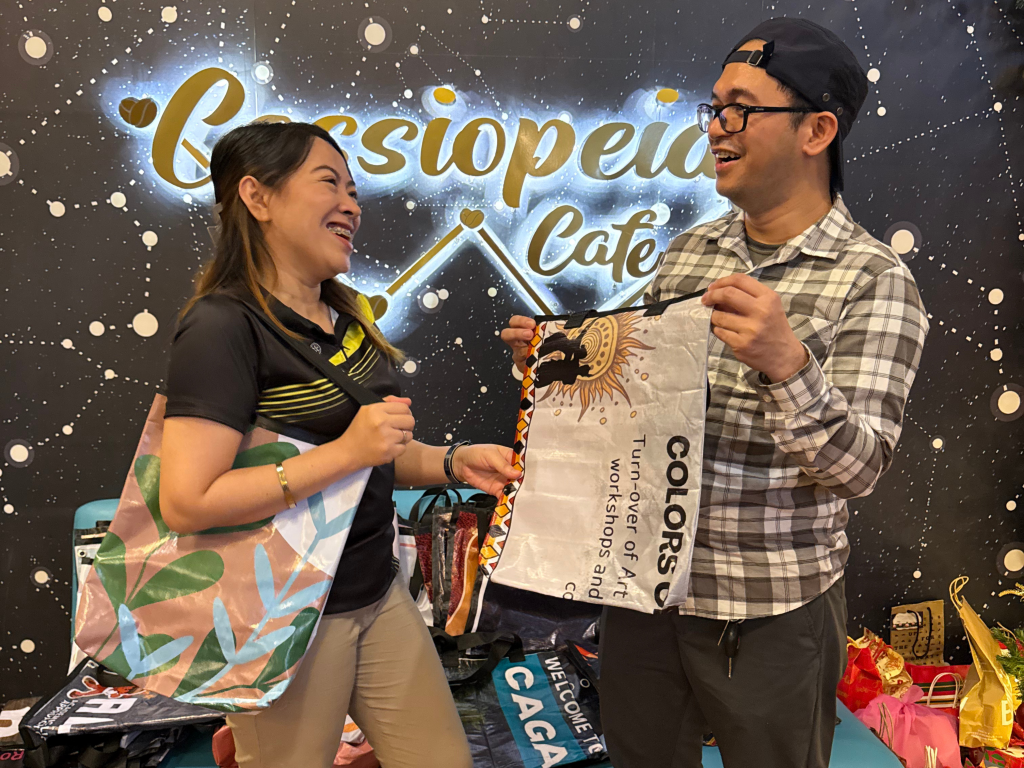
Through creativity, collaboration, and compassion, Project ECHO proved that sustainability can be deeply personal. When communities are equipped with knowledge and guided by empathy, environmental action becomes more than advocacy—it becomes a way of life.
Indeed, in caring for the Earth, we are also caring for each other.