
As the harsh winds and rising waters of Typhoon Tino subsided, the spirit of service among Cebuanos and volunteers arose. With resilience, volunteers came together, united by a shared commitment to service. This commitment included the goal of restoring hope in Cebu through initiatives such as Bangon Sugbo.
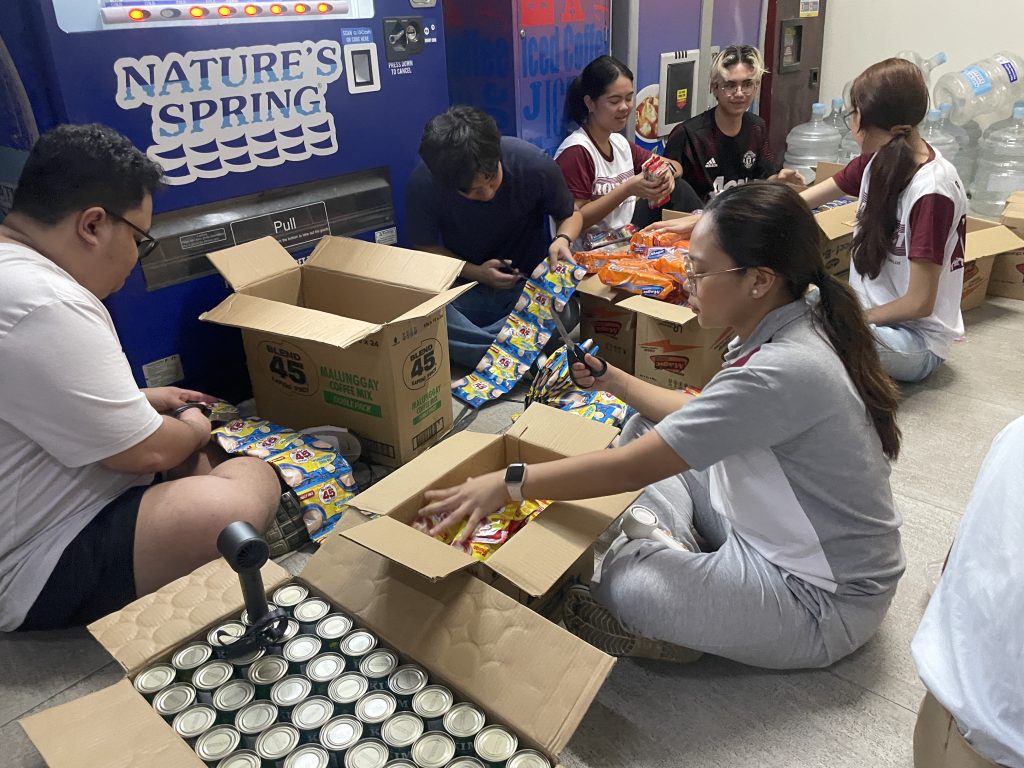
The initiative was led by the Rotaract Club of Fuente in collaboration with the Rotaract Clubs of the University of San Carlos and the University of the Visayas chapters. Bangon Sugbo was carried out through fundraising, community outreach, and donation drives, all aimed at extending support and aid to affected communities.
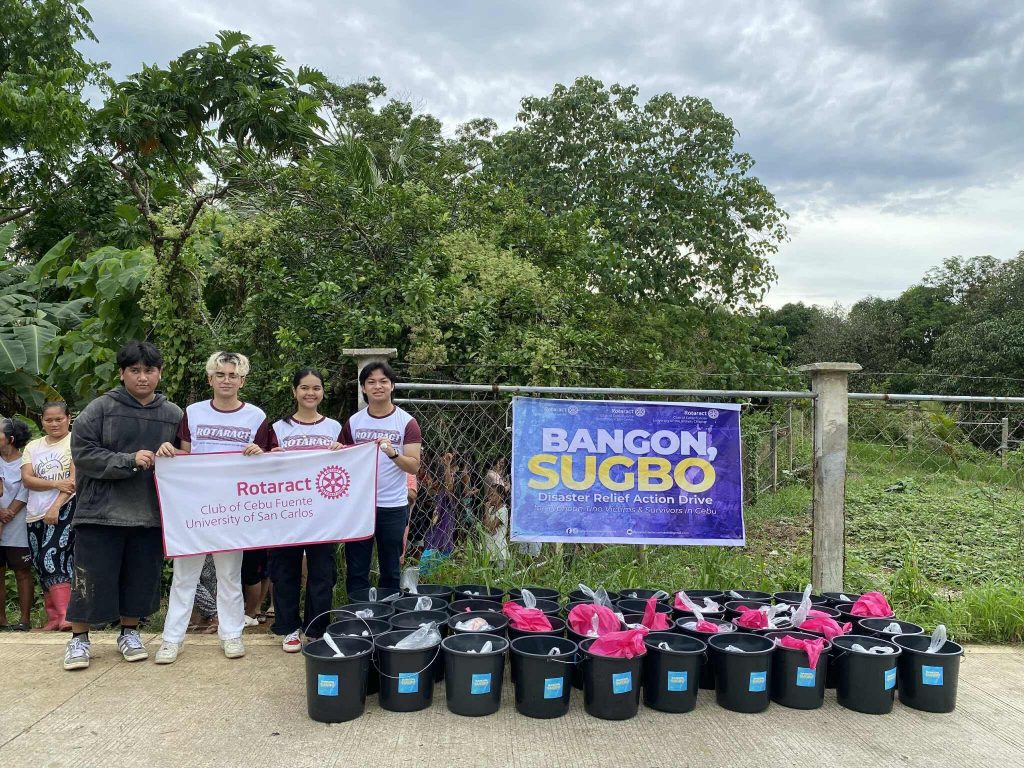
Bangon Sugbo became a light after the storm, symbolizing hope and resilience for affected Cebuanos. Through time, care, and collective support, the initiative encouraged victims of Typhoon Tino to move forward, helping communities feel seen, supported, and uplifted.
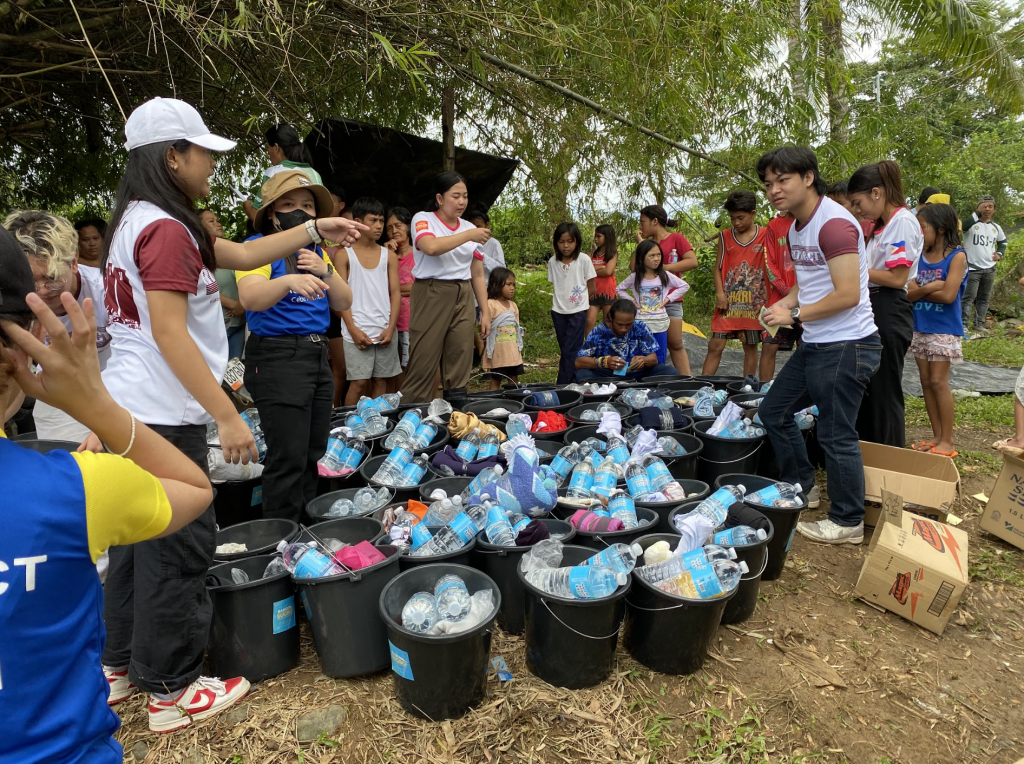
Reaching out to affected communities was a significant step in providing victims with their basic needs after the devastating loss brought by the typhoon. Along with material supplies, essentials such as comfort, support, and empathy were also shared, as volunteers assisted communities in rebuilding their homes and reinstilling hope through service embodied by unity and kindness.
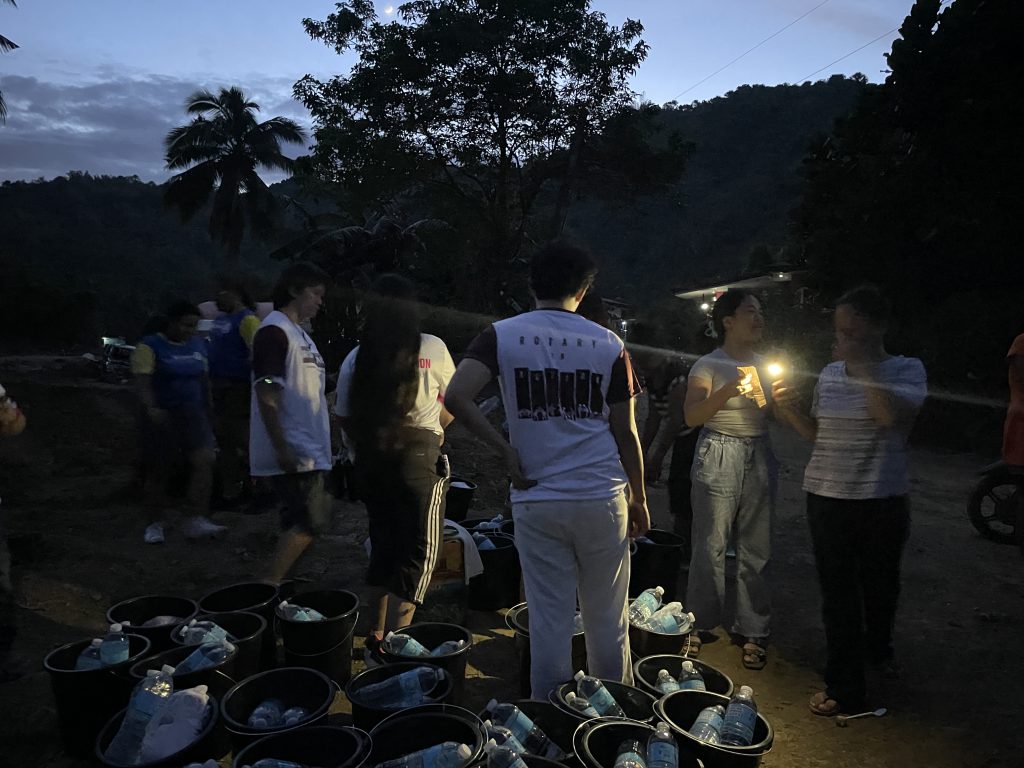
Rtr. Hannah Xuchille Egot, a volunteer from the University of San Carlos Rotaract Organization, described the initiative as a beacon of hope. She shared that the experience was deeply meaningful—more than she had expected—finding its true value in the smiles and gratitude of the people she met while volunteering. She further described Bangon Sugbo as a hopeful catalyst for change. To her, it was a simple yet powerful collaborative effort that touched lives and restored a sense of hope to those affected. Despite the exhaustion that came with the work, she expressed that the experience left her with a profound sense of fulfillment, allowing her to witness the true beauty of service and the quiet power of compassion in helping communities rise again.
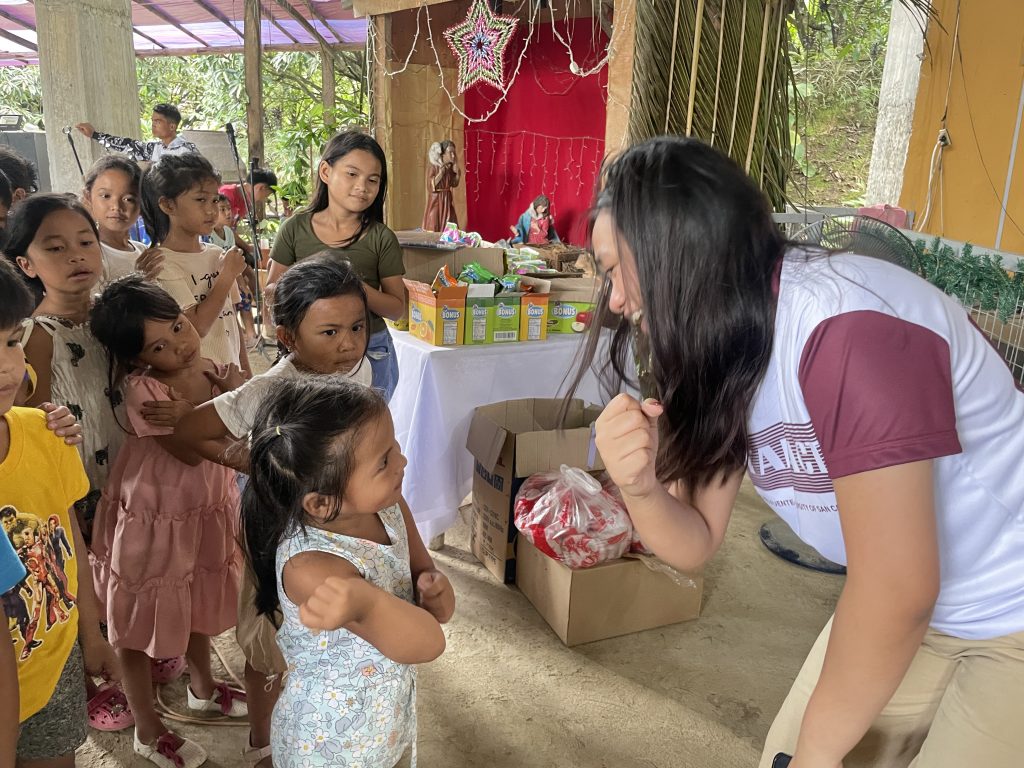
Bangon Sugbo is more than immediate aid; it offered reassurance to affected communities that they were not alone—guiding them as they slowly rebuilt their lives and continued to hope for a future shaped by strength, resilience, and newly paved beginnings along an unforeseen but hopeful path.
More Recommended Reads
 RACMNIS Navigates Unpredictability in Relief Operations
 Pails of Hope: Rotaractors Delivering Relief and Restoring Hope to Cebu’s Hardest-Hit Families
 IslaNdSPIRATION YEAR 5: “Pail of Hope” Wave 3
 Rotaract Club of Cebu Fuente Organizes Tindog Sugbuanon: An Emergency Relief Drive for the Victims of Typhoon Odette